Unique Poker Rules That Change Everything
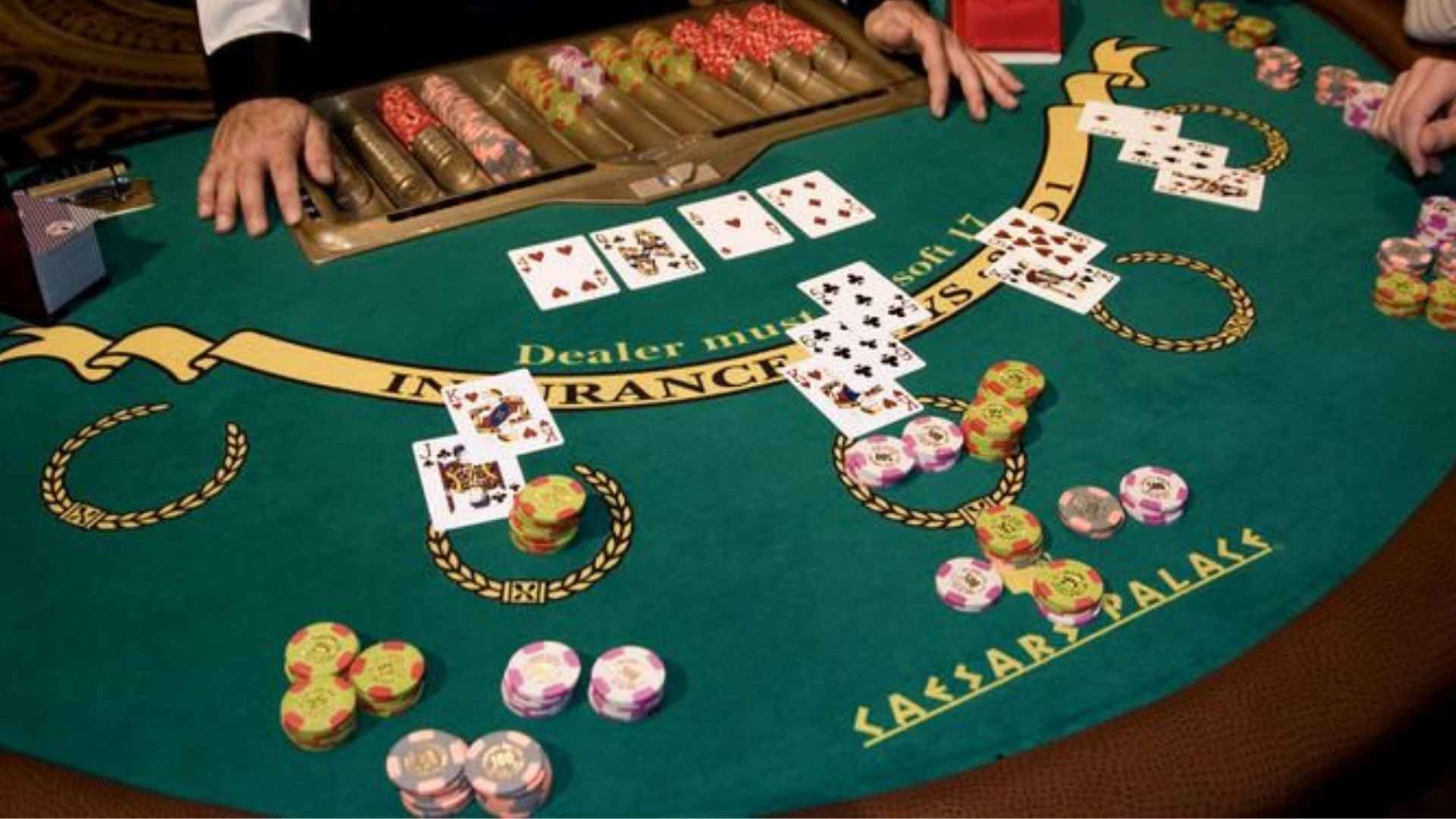
While standard Texas Hold'em rules dictate the flow of most modern card rooms, some alternative variations introduce mechanisms that completely reshape traditional dynamics. These unique rule adjustments force players to abandon standard starting hand charts and rethink how they calculate their post-flop equity. Exploring these subtle structural changes reveals a deeper level of strategic planning required to master the game.
The Impact of the Discard Phase
In variants like Crazy Pineapple, players receive three hole cards instead of the standard two but must discard one after the flop betting round. This unique rule creates intense pre-flop action because players must evaluate the potential of three cards simultaneously. It also increases the average strength of the hands shown down at the end of the round.
The sudden removal of a card shifts the mathematical probabilities dramatically as the hand progresses. Players must constantly adjust their expectations because drawing to a flush or a straight becomes more complex when everyone has discarded. This dynamic makes card evaluation highly fluid and rewards players who can adapt quickly to changing board textures.
Altered Hand Rankings in Short Deck Games
Short Deck poker presents a massive twist by removing all cards ranked two through five from the standard playing deck. This simple reduction in deck size completely upends the traditional hand hierarchy, making flushes mathematically harder to hit than full houses. Consequently, a flush is elevated to outrank a full house in most short deck rule sets.
This structural change completely alters pre-flop starting hand selection and post-flop drawing strategies. With fewer low cards in play, players hit strong hands much more frequently, leading to highly aggressive betting rounds. Understanding these shifting probabilities is essential for navigating the high-variance environment of modern short deck tables.
The Complexity of Split Pot Requirements
Split-pot variants like Omaha Eight-or-Better introduce a dual objective where the final pot is divided between the best high hand and the qualifying low hand. To win the low half, a player must hold five unpaired cards ranked eight or lower. This specific qualification rule prevents passive players from easily controlling the pot based on high-card strength alone.
Experienced competitors focus on scooping, which means selecting starting hands that can actively compete for both the high and low halves. Navigating these tables requires immense mathematical discipline and the ability to recognize when an opponent is playing a one-way hand. For players looking to test these split-pot dynamics online, securing a reliable m88 asia login provides access to various tables where you can practice your strategy against global opponents.
The Hidden Mechanics of Draw Formats
Unlike community card games where shared cards are dealt face-up, draw formats keep all active cards entirely private. In games like Triple Draw, players have multiple opportunities to discard and draw new cards to build their hands. This complete lack of public information turns the game into a psychological battle dominated by betting patterns.
Because you cannot see any of your opponents' cards, you must rely entirely on the number of cards they discard to deduce their strength. A player who stands pat signals immense strength, while a player drawing three cards is clearly rebuilding. Mastering these subtle behavioral cues is the key to finding consistent success in traditional draw formats.